For House Cleaning businesses

Local SEO & Search Growth for House Cleaning Businesses

Help the right households find the right cleaning service.

Routine cleaning, deep cleaning and move-out cleaning are different requests. I help house cleaning businesses explain those differences through local search, useful service pages and straightforward quote or booking paths, with clear coverage and expectations before the first enquiry.

  • Recurring customers
  • Clear cleaning scope
  • Simple quote requests
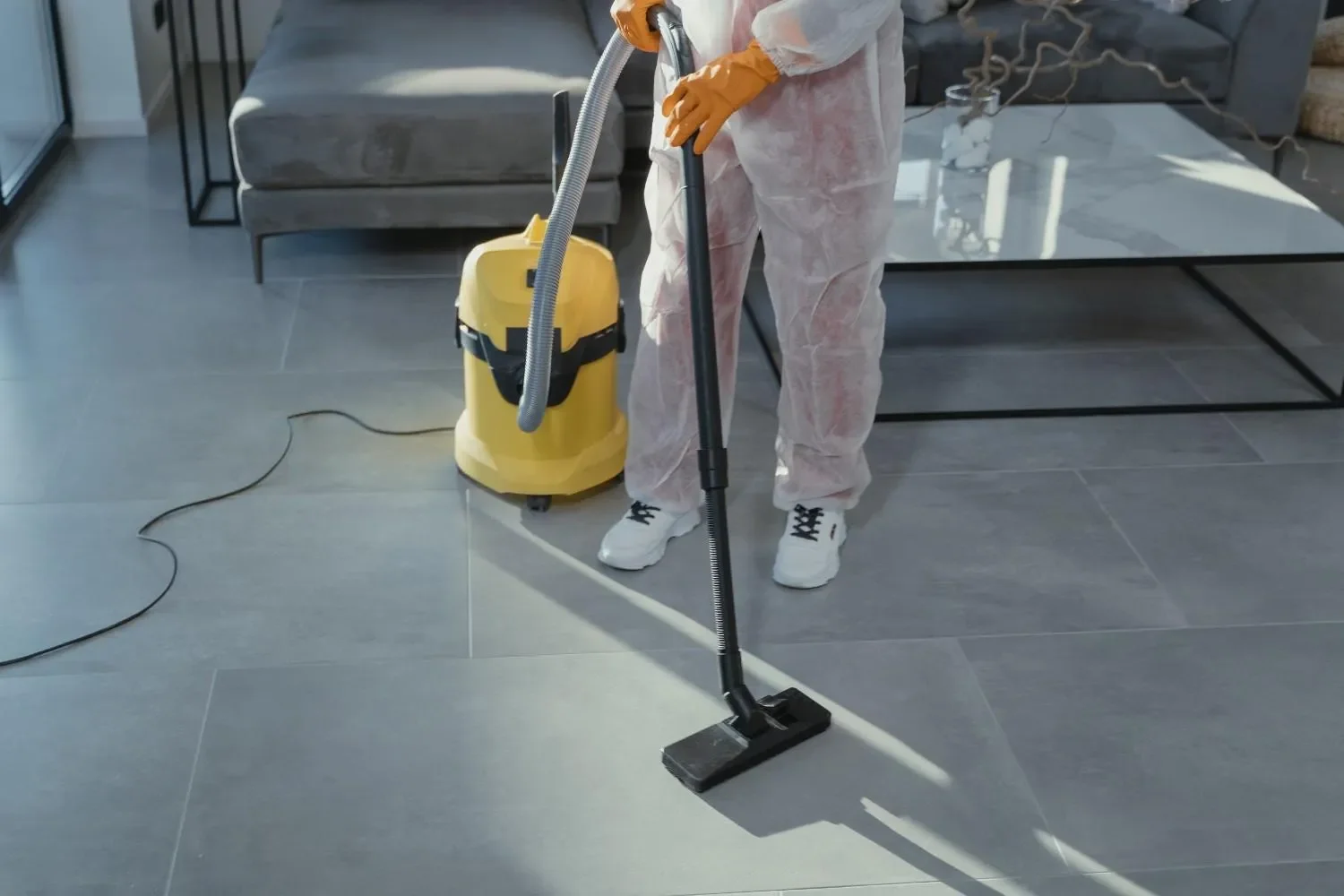
House cleaning professional cleaning a home interior
Industry focus / House CleaningReal services.
A clearer route to contact.

01 / Business & service research

Understanding the house cleaning business.

Start with your service mix, capacity, operating areas and intake process. Then map how customers research and choose the work you actually offer.

How households find and choose a cleaning service

  1. 01
    Search

    Routine, deep or move-out clean

  2. 02
    Maps

    Check genuine coverage

  3. 03
    Service page

    Compare cleaning scope

  4. 04
    Trust

    Read honest customer feedback

  5. 05
    Call / Quote

    Request a quote or available date

  6. 06
    Booked job

    Confirm the cleaning appointment

The customer’s question

Start with the kind of clean the customer needs

A household seeking recurring help may want to understand frequency, what is included and how the service fits their home. A move-out customer may be working towards a specific date and checking scope. Someone considering a deep clean may be unsure how it differs from routine work. Those questions deserve more than one general promise of a spotless home.

The commercial priority

Priorities grounded in your operation.

I begin with the services your business actually provides, the homes it serves and its availability model. The strategy distinguishes a request for a quote from an online booking that genuinely reserves capacity. It also considers whether the business wants recurring customers, one-off jobs or a mix. That context guides the page structure and the information needed before a visitor contacts the team.


02 / Evidence before priorities

Research & search audit.

I compare local competitors, audit GBP and Maps, and review the website against real services and search intent. Each finding becomes an action with a clear reason and priority.

House Cleaning industry work illustration
Industry illustration / Research starts with the actual work.

From research to an agreed plan

Establish what matters before changing the site.

  1. Business and competitor research

    Confirm priority services with you, compare Maps and organic competitors across representative areas, and record the page types and service detail customers encounter.

  2. GBP and website audit

    Check categories, service information and landing links alongside crawlability, indexability, titles, headings, internal links and mobile contact routes.

  3. GSC and GA4 baseline

    With access, review Google Search Console queries and pages alongside GA4 landing pages and configured enquiry events. Validate tracking before using it to decide priorities.

01

Cleaning scope and service intent

Routine, deep and move-out work may have different scopes. Show inclusions and exclusions that help the customer choose.

02

Genuine geographic coverage

A town list may not answer whether an address is served. Connect real operating areas with a useful quote route.

03

Maps-to-service-page alignment

A profile visitor needs a website destination that explains the clean they found. Review the two service menus together.

04

Verified trust information

Insurance, staff checks and guarantees need verification. Use approved business details, permitted photography and genuine feedback.

05

Quote and booking usability

A requested date is not a confirmed appointment. Make the form, handoff and confirmation describe what actually happens.

06

Enquiry quality and recurring work

A lead total can hide unsuitable enquiries. Distinguish cleaning type, qualification and confirmed appointments when reviewing results.

Inside the website and search review

A website may mention dozens of towns but leave visitors unsure whether their address is served. Another common issue is a broad cleaning page that mixes residential and commercial work without explaining the difference. The audit looks for these clarity gaps alongside indexability, duplicated pages, mobile usability and internal linking.

Service-area information should reflect where the team works and any genuine operating constraints. New location pages need useful local substance rather than the same paragraph with a different place name. I preserve existing pages that serve a clear purpose and recommend consolidation or improved sections where overlap is the real problem. The objective is a navigable site that answers practical questions before the enquiry.

03 / Connect the work

How I build a search growth system for house cleaning

From the business you run to the pages people find. Each step has a practical purpose and an agreed scope.

  1. Business & competitor analysis

    Cleaning scope and customer fit

    • Confirm recurring and one-off service priorities
    • Review local demand and the homes served
    • Understand the quote and capacity model
  2. Google Business Profile

    An accurate cleaning profile

    • Review categories, services and hours
    • Check genuine reviews and approved work images
    • Connect Maps to the relevant cleaning destination
    Inside this part of the work

    Google Business Profile information should agree with the actual cleaning offer, business details and website contact options. I review categories, listed services, hours and the linked destination in the context of how the business takes bookings. A visitor should not discover a service in Maps and then land on a page that provides no information about it.

    Genuine customer reviews and appropriate work photographs can support evaluation. Photography should respect customer permission and avoid implying that an illustrative image is a completed job. I assess local search patterns across representative service areas and compare the available destinations. This helps identify practical improvements without treating more reviews or a longer service-area list as a complete visibility strategy.

  3. Website & on-page SEO

    A simpler quote and booking experience

    • Check indexability, mobile controls and links
    • Ask for home details the team actually needs
    • Explain quote, availability and booking confirmations
    Inside this part of the work

    The first form should gather information the team actually uses: location, service type, relevant home details and a contact preference. Asking for excessive information too early can make a simple enquiry feel like a commitment. Where instant pricing is offered, its assumptions and exclusions should be clear and kept accurate by the business.

    I review the confirmation step, error messages and mobile controls, including any external booking handoff. Visitors should understand whether they have requested a quote, asked about a date or confirmed a cleaning appointment. For recurring services, explain how frequency and scope are discussed rather than assuming that every form submission starts a contract. A clear process helps the customer and the person preparing the response.

  4. Content & service architecture

    Pages that clarify the type of clean

    • Separate routine, deep and move-out scope
    • Record inclusions, exclusions and optional work
    • Link preparation questions to relevant service pages
    Inside this part of the work

    Routine house cleaning, deep cleaning and move-in or move-out cleaning may deserve separate destinations when their scope and customer decisions differ. Each page should state inclusions, exclusions, optional work and the practical next step using information approved by the business. Repeating the same checklist under different headings does not help a visitor choose.

    I organize related questions into the relevant page or a supporting guide. For example, a page can explain what details are needed for a quote and how a customer should discuss access arrangements. Statements about supplies, insurance, staff checks or guarantees require verification. The content should reduce uncertainty without promising tasks, availability or standards the business has not agreed to deliver.

  5. Authority & off-page signals

    Reputation grounded in real work

    • Review accurate local business listings
    • Use customer-permitted images and honest reviews
    • Confirm credentials and service claims before publishing

    Relevant opportunities are scoped individually; large-scale backlink building is not automatically included.

  6. Measurement & growth decisions

    Evaluate suitable enquiries

    • Review Search Console queries and landing pages
    • Use form and booking data where available
    • Separate recurring requests from one-off appointments

    Compare GSC query and page changes with GA4 landing-page and enquiry events, where configured. Use qualification feedback and seasonal context to decide whether to refine content, improve conversion or expand local coverage next.

    Inside this part of the work

    The first phase focuses on commercially important services, useful page detail and the route to contact. It might combine profile alignment, a better comparison of cleaning types and a shorter mobile enquiry form. WordPress changes are scoped around the editing workflow so availability and service details can be maintained without rebuilding the whole site.

    Review search visibility and page performance alongside qualified enquiries where records are available. Recurring requests, one-off cleans and confirmed appointments should be distinguishable. A rise in form submissions does not automatically mean the business is receiving suitable work. The next phase follows the evidence, whether that means clearer scope, stronger local information or improvements to the way a request reaches the team.

A practical architecture example

One business. Distinct service decisions.

These are examples, not an assumption that every company offers every service. Separate pages need real scope and a distinct customer purpose.

See the service-page decision framework
House Cleaning service hub
Recurring CleaningDeep CleaningMove-In CleaningMove-Out CleaningStandard Home Cleaning
Supported by useful guides, real service areas and descriptive internal links.

04 / Choose the right scope

Areas & channels we improve.

A focused scope can address the immediate gap. These are areas to assess together, not a promise that every item is included in every engagement.

GSC, GA4 & enquiry tracking

Review query and landing-page performance, validate GA4 events and compare call/form activity with qualified enquiries where records exist.

Reviews & business consistency

Honest feedback processes and accurate public business details.

Website implementation

WordPress changes can support the agreed content and enquiry paths.

Previous work, in context

Inspect original Local SEO evidence from different local-service markets. Historical projects are not presented as house cleaning client results.

View the project evidence

A focused conversation. A clearer direction.

Let?s plan the next step for your house cleaning business.

Bring your website, profile and priority house cleaning services. We’ll identify where clearer visibility, content or contact paths could help.

Discuss Your Project

Open original image in a new tab ↗