The next action is unclear
Visitors should not have to search for contact options after reading about a service. I examine enquiry wording, placement and destinations in the context of the page.

Local businesses & agency partners
Make it easier for relevant visitors to understand your business, find useful information and take the next step towards an enquiry.
Does the message match the search?
Can visitors find real people and proof?
Is the contact option clear on mobile?
Does the visitor know what happens next?
Enquiry events and completed bookings are separate measures.
What the service is
Website conversion optimization examines the journey between arriving on your site and making an enquiry. I review page hierarchy, service information, provider visibility, calls to action, forms and booking destinations to identify where visitors may lose clarity or encounter unnecessary effort.
The scope is built around your existing website and systems. It can include page recommendations, revised enquiry paths and agreed implementation. The aim is a usable and measurable journey, with enquiries and confirmed bookings treated as separate stages rather than combined into one website metric.
Why it matters for your business
A local search visitor may be comparing providers, researching a service or contacting a business for the first time. A strong page gives them relevant context to continue and makes the enquiry option easy to understand when they are ready.
More traffic does not resolve a hidden booking link or confusing form. Improving the experience of existing visitors can be a useful priority alongside search visibility, particularly when a business receives relevant visits but has limited insight into what happens next. Page changes should address a specific visitor problem.
Visitors should not have to search for contact options after reading about a service. I examine enquiry wording, placement and destinations in the context of the page.
People need a useful introduction to the business and team they are considering. Genuine details and approved reviews should be accessible without exaggerated credentials or outcome promises.
Small controls, awkward forms and unexpected redirects can interrupt an enquiry. The review follows the experience on a phone, including the handoff to an external booking platform.
The strategy, made visible
Make the enquiry easier to start
Interested?
Tell us what you need.
What is included
The exact deliverables depend on your business’s starting point, access and priorities.
Follow representative routes from landing pages to service information and enquiry destinations. Look for disconnected messaging, missing context and unnecessary steps. Consider new visitors researching the business and people who already know which offered service they want to discuss.
Review whether the introduction, content sections and enquiry options work together. Enquiry links should be descriptive and placed where they support the visitor’s decision. The objective is to make the next step available without interrupting useful information or filling the page with repeated buttons.
Assess provider visibility, genuine reviews, menu clarity, contact options and the reading experience on smaller screens. Recommendations use the business’s actual people and proof. No testimonials, credentials or service claims are invented to make a page appear more persuasive.
Review required fields, errors, confirmation steps and booking-system handoffs. Where appropriate, recommend form, call and booking-event tracking in coordination with the business’s privacy and technical requirements. A submitted form should not be reported as a completed appointment without supporting operational data.
The process
Clarify what counts as an enquiry, how the team responds and which booking systems are involved. Review available data before assuming why visitors leave.
Inspect priority pages and their next steps on desktop and mobile. Document specific moments where wording, layout, trust information or system handoffs could be clearer.
Agree changes based on the visitor problem, likely value and effort. Coordinate page edits with the business’s existing design, content and booking arrangements.
Test navigation, forms, links and confirmation behavior after implementation. Review enquiry evidence over time and distinguish observed results from assumptions about visitor behavior.
From review to implementation
Keep the next step clear on mobile
A practical application
Page and profile decisions should reflect the services your business genuinely offers and the questions prospective customers bring to search.
Explore the service-page decision guide for the reasoning behind page scope. My industry experience includes a specialist focus on Medical Aesthetics.
Illustrative scenario
Imagine a remodeling service page with a prominent contact link that opens a long form asking for details the visitor does not yet know. An unexplained handoff can interrupt an otherwise useful introduction to the service.
A clearer CTA, a short explanation of what happens next and appropriate required fields can address that friction. Validation includes errors, confirmation and the receiving team’s workflow. The scenario explains the review method; any uplift would need real enquiry data.
Related project & proof
The Dubai project considers the search-to-enquiry path alongside local service relevance. Its screenshots show search and profile evidence, not an independently verified conversion-rate increase.
Explore the Dubai project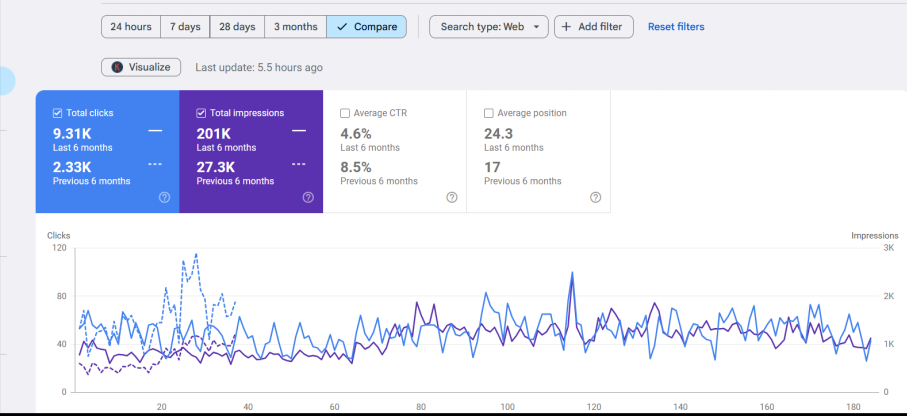
Related services
The practical details
Clear expectations before we begin.
No. A clearer experience supports enquiries, but confirmed bookings also depend on demand, business response and operational processes. Recommendations address specific obstacles and a measurement plan that distinguishes stages in the journey.
Not necessarily. We first review how the existing platform connects to your site. Clearer links, expectations and layouts may address the problem. A platform change is discussed when the current setup creates a meaningful limitation.
The approach should match the data. On a lower-traffic site, usability review and careful monitoring may be more practical than drawing conclusions from a small experiment. An unverified change is not presented as a measured uplift.
A focused conversation. A clearer direction.
Start with your website, your Google visibility and the journey you want to improve.