A strong homepage with weak interior pages
Visitors may arrive directly on service or location pages. Those destinations need useful structure, provider context and enquiry options, rather than a generic template with little thought.

Local businesses & agency partners
A professional WordPress foundation that brings your business’s brand, service content, provider information and booking journey together.
Desktop, tablet and mobile layout concepts. No client build is implied.
What the service is
WordPress design and development creates an editable foundation for your business’s marketing. I plan architecture, templates and enquiry paths around the real business, then bring visual design and technical implementation together in a responsive website your team can keep useful.
The work considers what the site needs to support after launch: service-page SEO, paid campaign destinations, provider updates, new content and enquiry requests. A polished homepage matters, but service pages and the everyday booking experience deserve the same attention. Design decisions should serve the business and the people considering it.
Why it matters for your business
Local business websites need to balance a professional brand with clear information. Visitors should understand the services, find the people providing them and locate an enquiry option without navigating a design created only for appearance.
A considered structure also reduces future update friction. Reusable service and provider components help staff add approved information consistently. SEO foundations, performance and mobile behavior can be addressed during the build instead of becoming a separate rescue project after launch.
Visitors may arrive directly on service or location pages. Those destinations need useful structure, provider context and enquiry options, rather than a generic template with little thought.
One-off page builds can make changes awkward. Reusable components and a sensible editing structure help keep new content aligned with the rest of the website.
Search architecture, navigation and integrations affect the whole site. Planning them early avoids a finished visual design that cannot easily support the business’s actual needs.
The strategy, made visible
A page structure with a purpose
Descriptive links connect useful supporting content.
Readable headings, responsive sections and a clear contact route carry the structure into the build.
What is included
The exact deliverables depend on your business’s starting point, access and priorities.
Confirm services, locations, team information, content assets and the booking model. Establish the hierarchy before visual design, including service templates, genuine location sections and supporting pages. Identify information the business must supply or approve and agree what is included in the build. Preserve valuable existing URLs and content when planning a redesign.
Develop a direction around the business’s brand and practical reading needs. Build mobile-first service, provider and business layouts with reusable sections. Consistent editing components allow useful variation between pages without turning each update into a custom development task.
Connect the agreed booking system, contact options and map information through clear calls to action. Plan titles, headings, clean URLs, internal links and appropriate schema-ready structure. When replacing a website, review existing URLs and redirects so the new design respects the established search footprint.
Optimize images, review plugin needs and test responsive behavior. Check routes, booking paths, metadata, redirects, accessibility basics and common browser behavior before launch. Explain where content lives and how routine updates work, with ongoing improvements scoped around the business’s practical needs.
The process
Agree goals, pages, content and integrations. Confirm who supplies photography, provider details and factually reviewed information before committing to the build scope.
Develop page hierarchy and desktop/mobile layouts. Review how someone moves from a service introduction through provider information to an enquiry request.
Implement templates, reusable components and booking connections. Keep the technical foundation focused on actual requirements and avoid unnecessary plugin dependencies.
Complete route, device, content and enquiry-path checks, including redirects for a replacement site. Explain routine editing and identify a practical post-launch improvement list.
From review to implementation
From site plan to launch
A practical application
Page and profile decisions should reflect the services your business genuinely offers and the questions prospective customers bring to search.
Explore the service-page decision guide for the reasoning behind page scope. My industry experience includes a specialist focus on Medical Aesthetics.
Illustrative scenario
A local business may need several service pages with a consistent introduction, process, genuine proof, questions and a contact option. Reusable WordPress templates can preserve that structure while allowing each service to explain its own scope and requirements.
The desktop, tablet and mobile frames on this page are coded layout concepts. They demonstrate the relationship between search architecture, responsive design and conversion, rather than presenting a fictional completed client website. Elementor can be considered where it fits the editing workflow and performance requirements.
Related project & proof
The Projects page shows related work in search architecture, service alignment and enquiry-path review. This is evidence of search thinking, not a portfolio of completed WordPress design builds.
Explore the Dubai project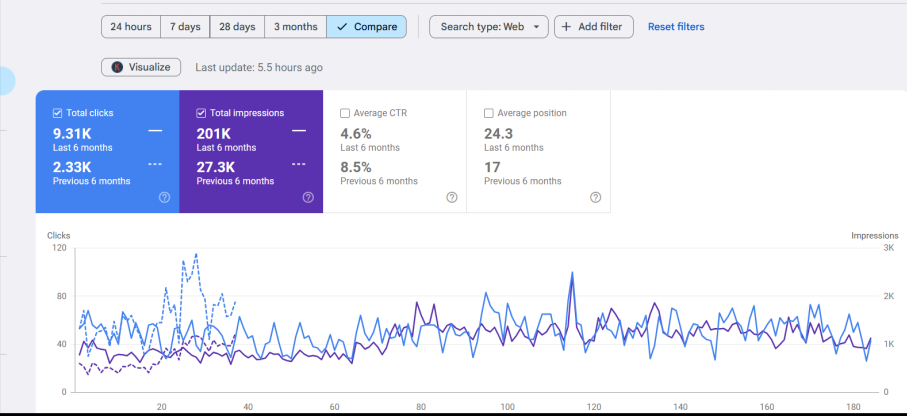
Related services
The practical details
Clear expectations before we begin.
Yes. Start with a review of useful content, URLs and integrations before replacement. The plan identifies what to retain, what needs rebuilding and where redirects or content migration are required.
The build can use reusable components and a clear editing structure for routine updates. Handover covers the agreed templates and content areas. More significant design or integration changes can be scoped separately.
The build includes agreed foundations such as hierarchy, headings, metadata, internal links and technical QA. Ongoing strategy, deeper service research and continued optimization need a defined scope rather than being assumed to happen automatically after launch.
A focused conversation. A clearer direction.
Start with your website, your Google visibility and the journey you want to improve.