Home Services / Search discovery

AI SEO & AI Search Optimization

Make your business, services and expertise easier to understand across your website and the wider search ecosystem. Start with clear information and a coherent search foundation.

Illustration of connected information for AI and search strategy

The business problem

Different sources should describe the same business.

A website may describe one service mix while a profile or directory describes another. Important pages can be thin, disconnected or difficult to access. Those problems create an unclear public picture before an AI search experience is even considered.

I review the information the business controls and the relevant sources around it. The practical outcome is a prioritized plan for accurate identity, useful service coverage and a more connected website. The work supports discovery without promising that any platform will select the business for an answer.

A connected information model

Bring the sources into agreement.

Owned pages and genuine external references have different roles. Review their consistency while preserving the limits of what each source can establish.

Business information / Connected sources
01Website
02Google Business Profile
03Reviews
04Service Pages
05Third-Party Mentions
Consistent Business Understanding
Search + AI Discovery
Illustrative strategy model. These relationships do not guarantee rankings, citations or inclusion in AI answers.

What the work includes

Clarity, coverage and evidence.

01 / Review & implementation

Entity and business information clarity

Establish a consistent account of who the business is, what it offers, where it works and how customers contact it. Review the website, profile and relevant public listings for conflicting names, outdated details and unsupported claims. The output is a factual information baseline, with ownership assigned for details that need confirmation. Clear business identity comes before a larger publishing plan.

02 / Review & implementation

Semantic structure and service relationships

Map the relationship between the business, its services, the problems customers research and genuine service areas. For a plumbing company, drain clearing and fixture installation may require distinct commercial destinations, while closely related repair phrases may belong together. Define the role of hubs, service pages and supporting guides, then connect them with useful internal links. Avoid creating a page simply because an AI tool suggested a phrase.

03 / Review & implementation

Content coverage with original substance

Identify questions that existing pages leave unanswered: service scope, exclusions, availability, the assessment process and what happens after an enquiry. Build briefs around information the owner can supply and verify. Useful coverage may require improving existing sections instead of publishing more URLs. The aim is a complete, understandable explanation of the offering, with original operational detail and clear boundaries around claims.

04 / Review & implementation

Structured information and technical review

Review headings, navigation, crawlability, indexability and appropriate structured data against the content visitors can actually read. Schema should describe supported facts and use the relevant documented properties. It does not substitute for useful pages or unlock a guaranteed AI placement. Technical recommendations include a validation step so the team can check implemented changes and preserve important existing URLs.

05 / Review & implementation

Reviews, local signals and corroboration

Compare genuine customer feedback, profile information and relevant third-party mentions with the business’s own account. Identify outdated directory details, inconsistent descriptions and opportunities to document legitimate affiliations or work. Review requests should seek honest feedback, not manufactured wording or fabricated endorsements. External references are assessed for accuracy and relevance; a quantity target does not justify spam, invented awards or misleading business listings.

06 / Review & implementation

Discovery review and measurement

Record representative questions, available search evidence and observed references with enough context to revisit them. Generated answers can vary, so a single screenshot is not a stable ranking report. Where referral or search data is available, separate visibility observations, visits and qualified enquiries. Agree what can be measured, what requires manual review and which conclusions the available evidence cannot support.
Foundations before promises

A stronger representation of the real offering.

For an HVAC business, this could mean separating repair from replacement, connecting service information to actual coverage and correcting an outdated third-party description. This is an illustrative scope, not a claim about a completed HVAC project.

Search foundations / Review framework
01Entity Clarity
02Topical Coverage
03Structured Information
04External Corroboration
Stronger Search Presence
Illustrative strategy model. These relationships do not guarantee rankings, citations or inclusion in AI answers.

From audit to a maintainable system

A practical working sequence.

01

Discover

Confirm the business identity, service offering, areas, evidence and existing search priorities. Record the facts that need owner approval.

02

Map

Inventory important URLs and public sources. Identify inconsistent details, missing service explanations and useful relationships between pages.

03

Improve

Agree technical corrections, content briefs, profile changes and legitimate listing updates. Coordinate implementation with the people who own each source.

04

Validate

Check the implemented pages and information. Revisit representative searches and available reporting, separating observed visibility from commercial outcomes.

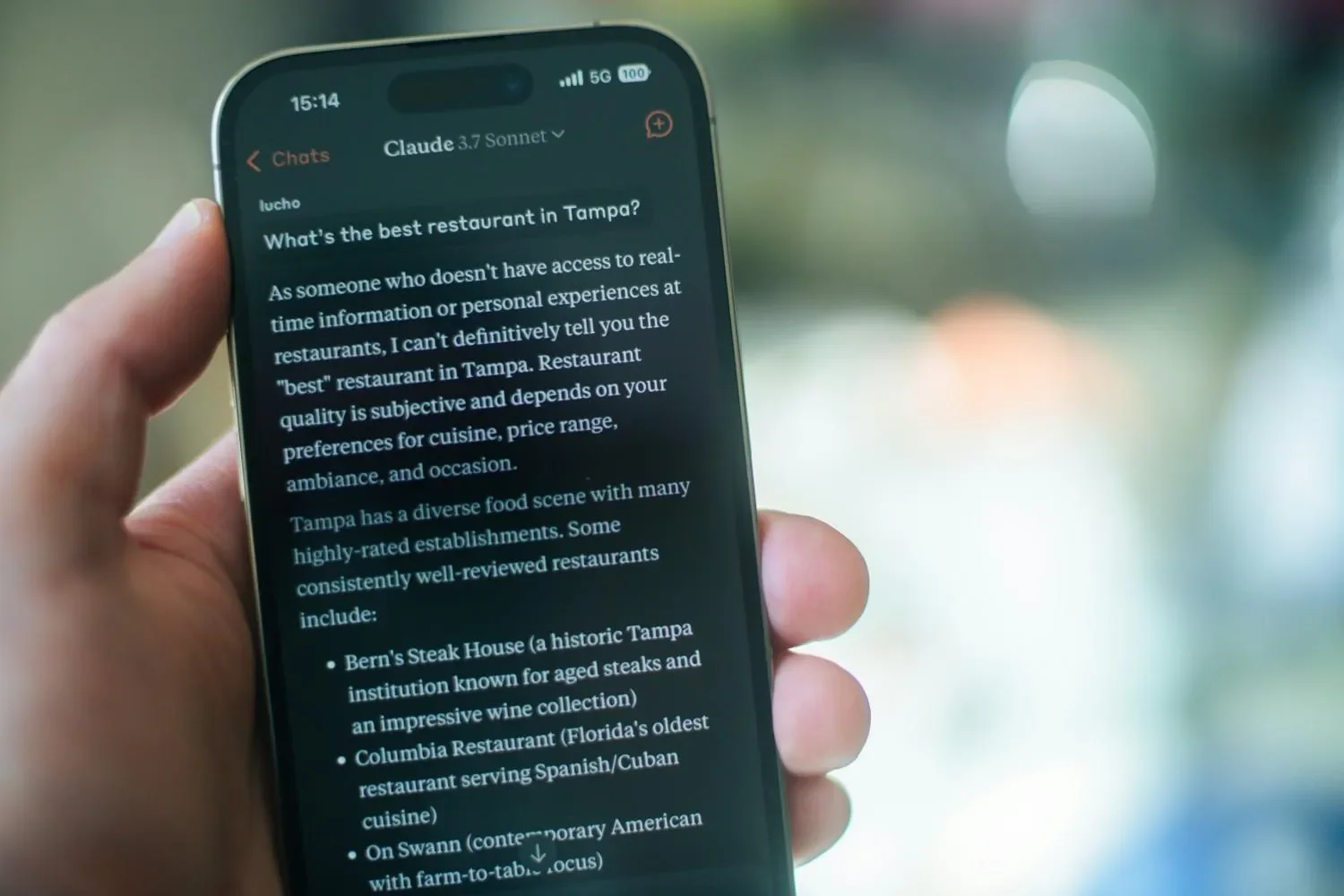
AI search strategy supporting illustration
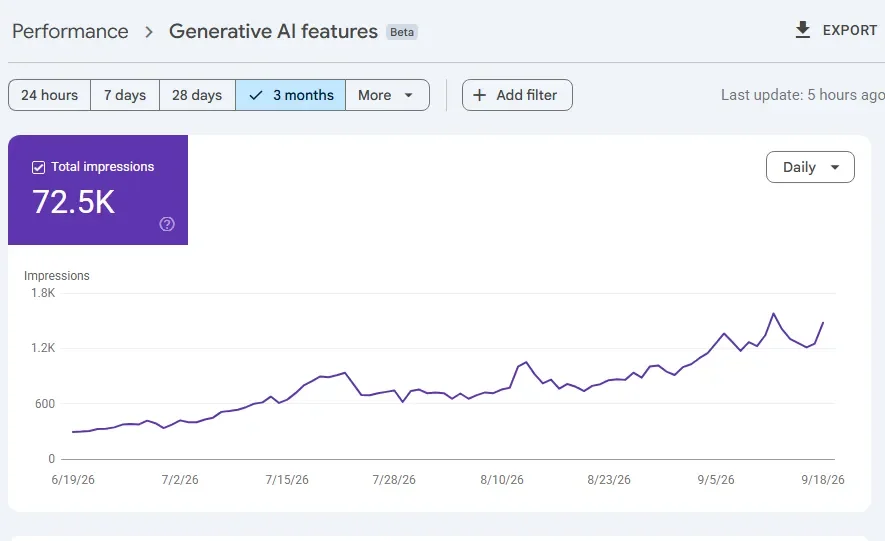
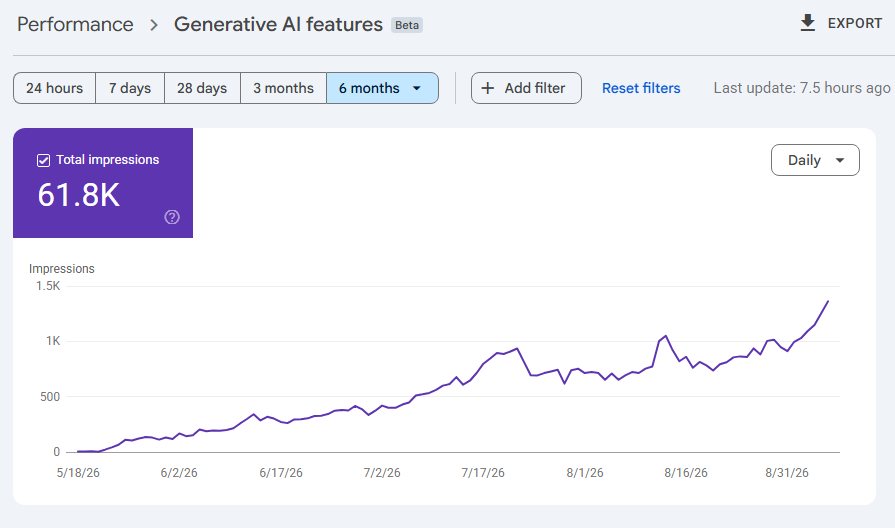
Supplied AI search illustration. Not presented as client results.

Google AI and search considerations

Keep the approach grounded in documented guidance.

Google’s guidance connects its AI search experiences with useful content and established search foundations. I review current technical eligibility, content accessibility and site-owner controls when scoping the work, rather than promising a permanent checklist for a changing interface.

See Google’s AI features documentation and its guide to generative AI search optimization. Those documents guide Google-specific implementation; they do not establish ranking rules for every AI platform.

The practical details

A few questions, answered.

Clear expectations before we begin.

Can you guarantee rankings in ChatGPT or AI Overviews?

No. No placement, recommendation, citation or enquiry volume is guaranteed in ChatGPT, Google AI Overviews or another AI platform. The work improves controllable information and website foundations; platform selection remains outside the scope of a promise.

Is this separate from traditional SEO?

The scope overlaps with technical SEO, useful content, entity clarity and local consistency. An audit determines which foundations need attention and whether a distinct AI discovery review adds value to the existing search plan.

Do I need hundreds of new AI-written pages?

No. The starting point is the real business and the usefulness of current pages. Original information, factual review and a clear site structure matter more than a publishing quota. New pages need a distinct purpose.

A focused conversation. A clearer direction.

Let’s find your next search growth opportunity.

Start with your website, your Google visibility and the journey you want to improve.

Discuss Your Project

Open original image in a new tab ↗