For HVAC businesses

Local SEO & Search Growth for HVAC Companies

Build a search presence for repair, replacement and recurring care.

HVAC demand shifts between urgent faults, planned replacement and ongoing maintenance. I organize local search and website journeys around those different decisions, helping customers find relevant information and helping your team receive clearer calls and quote requests.

  • Repair demand
  • Replacement decisions
  • Seasonal priorities
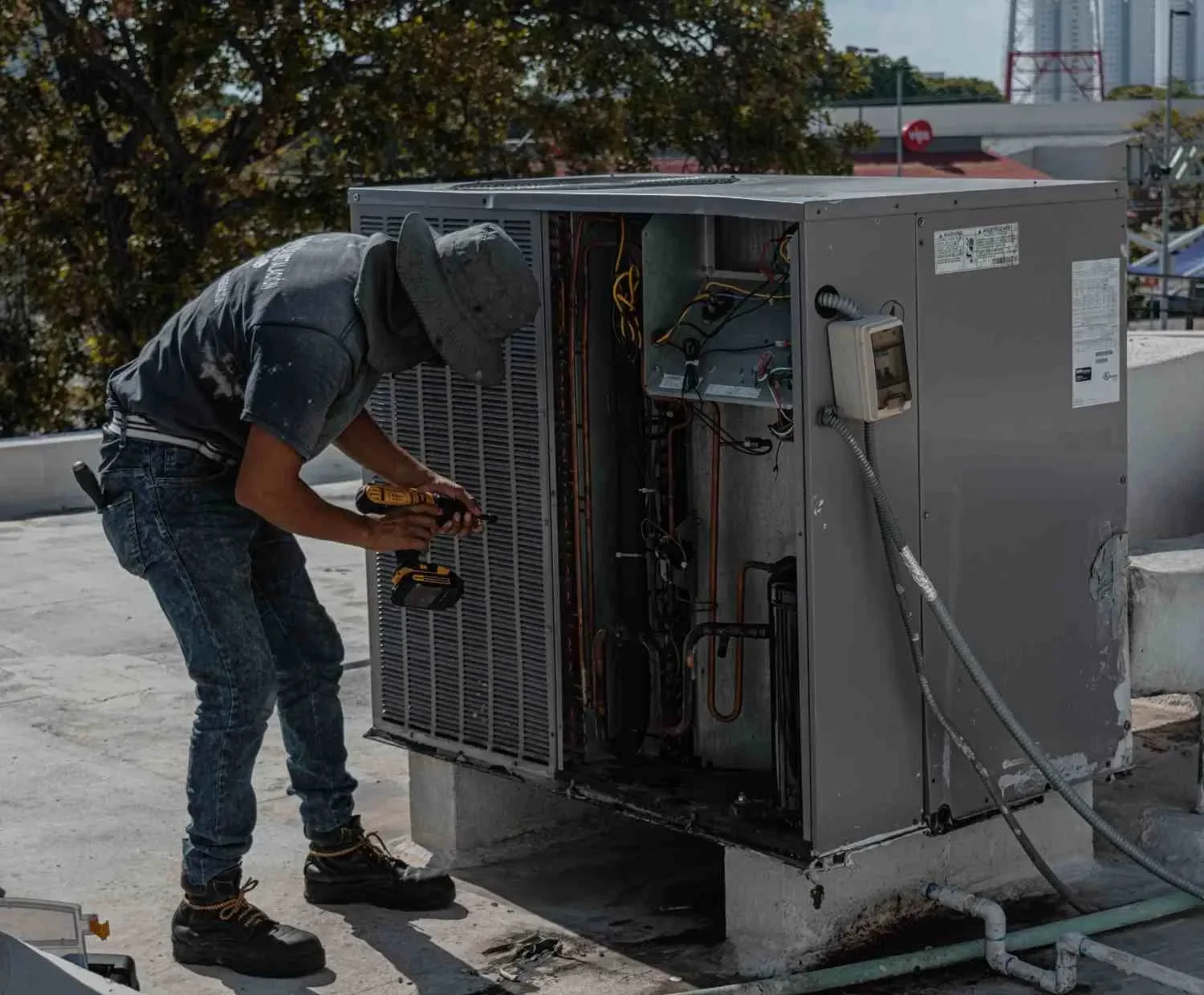
HVAC technician working on heating and cooling equipment
Industry focus / HVACReal services.
A clearer route to contact.

01 / Business & service research

Understanding the hvac business.

Start with your service mix, capacity, operating areas and intake process. Then map how customers research and choose the work you actually offer.

How homeowners search for HVAC help

  1. 01
    Search

    Heating or cooling need

  2. 02
    Maps

    Compare providers nearby

  3. 03
    Service page

    Choose repair / replace / maintain

  4. 04
    Trust

    Review scope and verified expertise

  5. 05
    Call / Quote

    Call or request an assessment

  6. 06
    Booked job

    Agree the visit or installation

The customer’s question

Match the page to the customer’s decision

A person searching for AC repair may need availability and a way to call. Someone considering replacement is likely comparing suitability, the assessment process and the provider’s experience. A maintenance visitor may want to understand what a plan includes. These journeys overlap, but the information required to take the next step is different.

The commercial priority

Priorities grounded in your operation.

I start by documenting heating, cooling and related services the business actually offers, along with operating areas and current priorities. Seasonal demand should inform which pages receive attention first, without creating a collection of disposable seasonal URLs. A durable architecture keeps core services clear while allowing availability, supporting questions and campaign emphasis to change when the business needs them to.

02 / Evidence before priorities

Research & search audit.

I compare local competitors, audit GBP and Maps, and review the website against real services and search intent. Each finding becomes an action with a clear reason and priority.

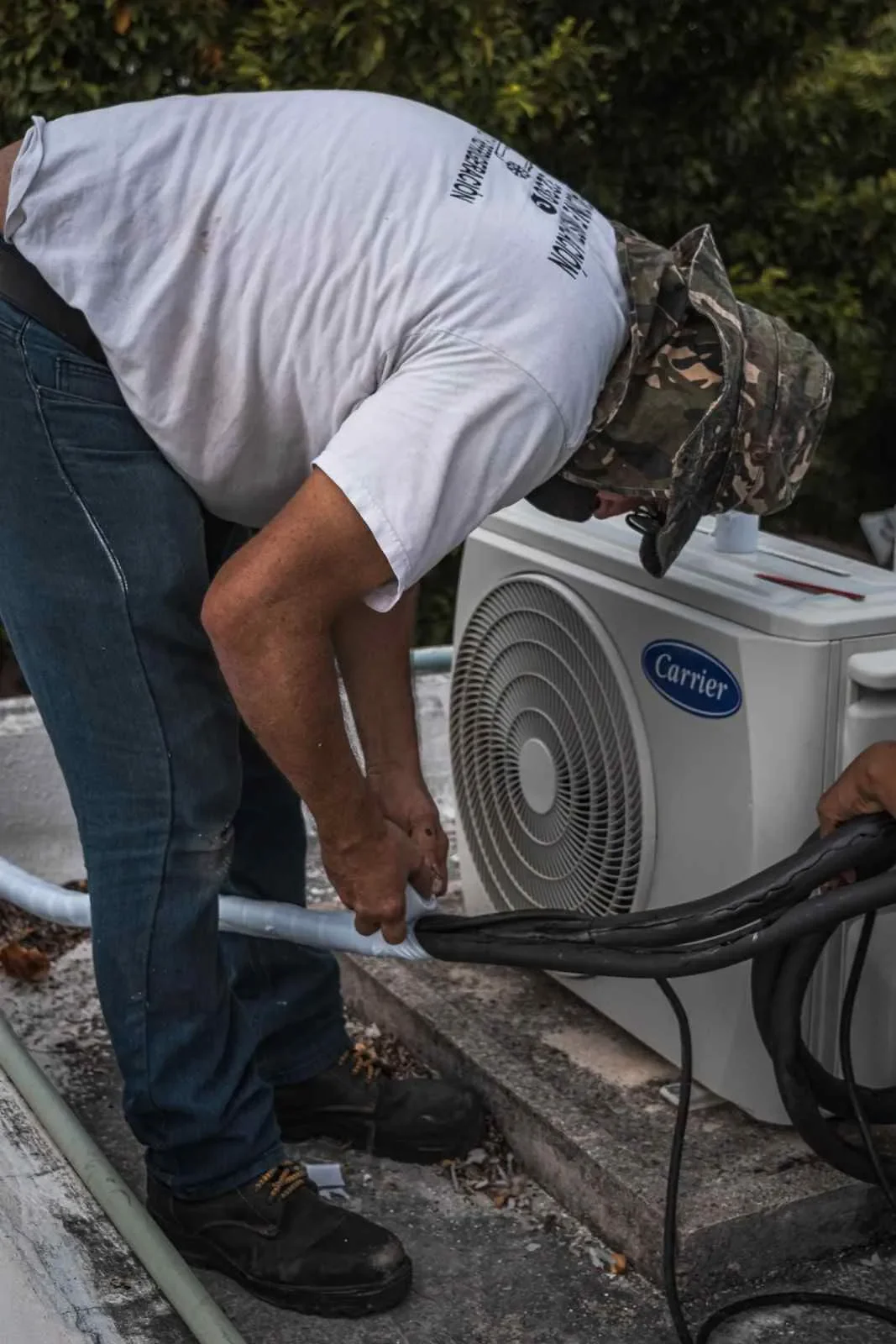
HVAC industry work illustration
Industry illustration / Research starts with the actual work.

From research to an agreed plan

Establish what matters before changing the site.

  1. Business and competitor research

    Confirm priority services with you, compare Maps and organic competitors across representative areas, and record the page types and service detail customers encounter.

  2. GBP and website audit

    Check categories, service information and landing links alongside crawlability, indexability, titles, headings, internal links and mobile contact routes.

  3. GSC and GA4 baseline

    With access, review Google Search Console queries and pages alongside GA4 landing pages and configured enquiry events. Validate tracking before using it to decide priorities.

01

Repair and replacement intent

A visitor with a fault needs coverage and a call path. Replacement information should support its own, more considered decision.

02

System and service relationships

A long equipment list does not explain the work. Connect systems with the actual repair, installation and maintenance offering.

03

Profile and website consistency

Profile information and website service menus should describe the same operation, including genuine limits on emergency support.

04

Seasonal search analysis

More visits in a busy season do not prove a page change worked. Review query mix and enquiry quality in context.

05

Repair and assessment forms

Repair calls and replacement assessments need different starting information. Clarify the action and the team’s response process.

06

Verified business credentials

Equipment mentions must not imply authorization or a guarantee. Confirm relationships and credentials with the business before publication.

Inside the website and search review

Many HVAC websites list a wide range of equipment and towns without explaining the services well. Others have strong installation content but little help for someone looking for a repair. The review looks for missing page purpose, competing destinations, technical obstacles and gaps between profile information and website coverage.

The commercial priority matters as much as the size of a keyword list. A business seeking planned replacements may need a stronger assessment journey before another broad maintenance article. Existing search data and real enquiries help challenge assumptions. The recommendation should identify what to improve, why it matters and what the owner or technical team needs to contribute before publication.

03 / Connect the work

How I build a search growth system around your HVAC services

From the business you run to the pages people find. Each step has a practical purpose and an agreed scope.

  1. Business & competitor analysis

    Services, systems and seasonal demand

    • Confirm heating, cooling and maintenance scope
    • Compare local repair and replacement searches
    • Review commercial priorities and operating areas
  2. Google Business Profile

    A consistent heating and cooling profile

    • Review categories, services and business details
    • Confirm genuine emergency availability
    • Connect profile information with website coverage
    Inside this part of the work

    I review profile categories, services, contact details and website links against the genuine operation. Heating and cooling availability should be described accurately, including any limitations on emergency support. Claims about licenses, manufacturer relationships or financing should be approved by the business and supported before appearing on the profile or website.

    Geographic analysis considers representative searches in the areas you actually serve. It does not treat a service-area list as evidence of ranking reach. Genuine job photography and customer feedback can give visitors a more useful introduction, while clear service pages explain the offering in greater depth. The profile and website should work together without presenting different service menus or conflicting contact instructions.

  3. Website & on-page SEO

    Repair calls and replacement assessments

    • Review crawlability, titles and mobile layouts
    • Give urgent enquiries a useful phone path
    • Explain the assessment and proposal handoff
    Inside this part of the work

    Repair enquiries often benefit from a visible phone option and a concise explanation of service coverage. Replacement visitors may need a request for an assessment, project questions and a clearer explanation of the process. One undifferentiated form can make both journeys harder than necessary. I review the wording, required fields and handoff with the person who handles incoming requests.

    The website should distinguish an assessment request from a confirmed visit or accepted installation proposal. Any statements about price, timing or equipment suitability must come from the business. Usability improvements focus on helping customers make an informed next step: readable mobile layouts, relevant service information, accurate proof and contact options that behave predictably. No invented savings or performance figures are needed to explain the work.

  4. Content & service architecture

    Service structure with meaningful relationships

    • Group overlapping AC repair phrases
    • Separate replacement and maintenance where justified
    • Connect system questions with commercial pages
    Inside this part of the work

    Heating and cooling can form useful service groups, with repair, installation, replacement or maintenance pages beneath them where appropriate. Equipment brands and system types need careful decisions: a brand mention does not automatically justify a separate page or imply an authorized relationship. Original business information and distinct visitor needs should guide the structure.

    I compare overlapping terms such as AC repair and air conditioner repair before commissioning content. Supporting guides can explain what to ask during an assessment or how to compare service scope, with technical details checked by the business. They should link to the relevant commercial page at a natural point. That relationship creates a clearer path than an isolated blog archive built around loosely related keywords.

  5. Authority & off-page signals

    Verified signals around the business

    • Check legitimate manufacturer relationships
    • Review relevant directories and local mentions
    • Use real work photography and honest reviews

    Relevant opportunities are scoped individually; large-scale backlink building is not automatically included.

  6. Measurement & growth decisions

    Evidence adjusted for context

    • Inspect query/page data in Search Console
    • Review calls, assessment requests and accepted jobs
    • Consider seasonality before expanding the content plan

    Compare GSC query and page changes with GA4 landing-page and enquiry events, where configured. Use qualification feedback and seasonal context to decide whether to refine content, improve conversion or expand local coverage next.

    Inside this part of the work

    HVAC terminology creates useful opportunities for semantic organization: a business offers a service, the service concerns a system and that work is available in a real area. Clear pages, descriptive links and consistent business information help communicate those relationships. AI search work begins with the same accurate foundation, without promising inclusion in any generated answer.

    The first phase can combine priority service briefs, Maps alignment and technical improvements. Review results through available search and enquiry evidence, allowing for seasonality and changes in demand. Calls, assessment requests and accepted jobs remain distinct measures. That separation keeps the plan useful when deciding whether to expand content, improve conversion or focus on a different part of the service mix.

A practical architecture example

One business. Distinct service decisions.

These are examples, not an assumption that every company offers every service. Separate pages need real scope and a distinct customer purpose.

See the service-page decision framework
HVAC service hub
AC RepairAC InstallationHeating RepairFurnace ServicesHeat PumpsMaintenance
Supported by useful guides, real service areas and descriptive internal links.

04 / Choose the right scope

Areas & channels we improve.

A focused scope can address the immediate gap. These are areas to assess together, not a promise that every item is included in every engagement.

GSC, GA4 & enquiry tracking

Review query and landing-page performance, validate GA4 events and compare call/form activity with qualified enquiries where records exist.

Reviews & business consistency

Honest feedback processes and accurate public business details.

Website implementation

WordPress changes can support the agreed content and enquiry paths.

Previous work, in context

Inspect original Local SEO evidence from different local-service markets. Historical projects are not presented as hvac client results.

View the project evidence

A focused conversation. A clearer direction.

Let?s plan the next step for your HVAC business.

Bring your website, profile and priority hvac services. We’ll identify where clearer visibility, content or contact paths could help.

Discuss Your Project

Open original image in a new tab ↗