For Landscaping & Lawn Care businesses

Local SEO & Search Growth for Landscaping & Lawn Care

Connect local searches with the outdoor work you want to win.

Recurring lawn maintenance and a landscape installation are different buying decisions. I help landscaping and lawn care businesses make that distinction clear across Maps, service pages and quote requests, so prospective customers can find the right offer and understand the next step.

  • Recurring care
  • Planned installations
  • Qualified project requests
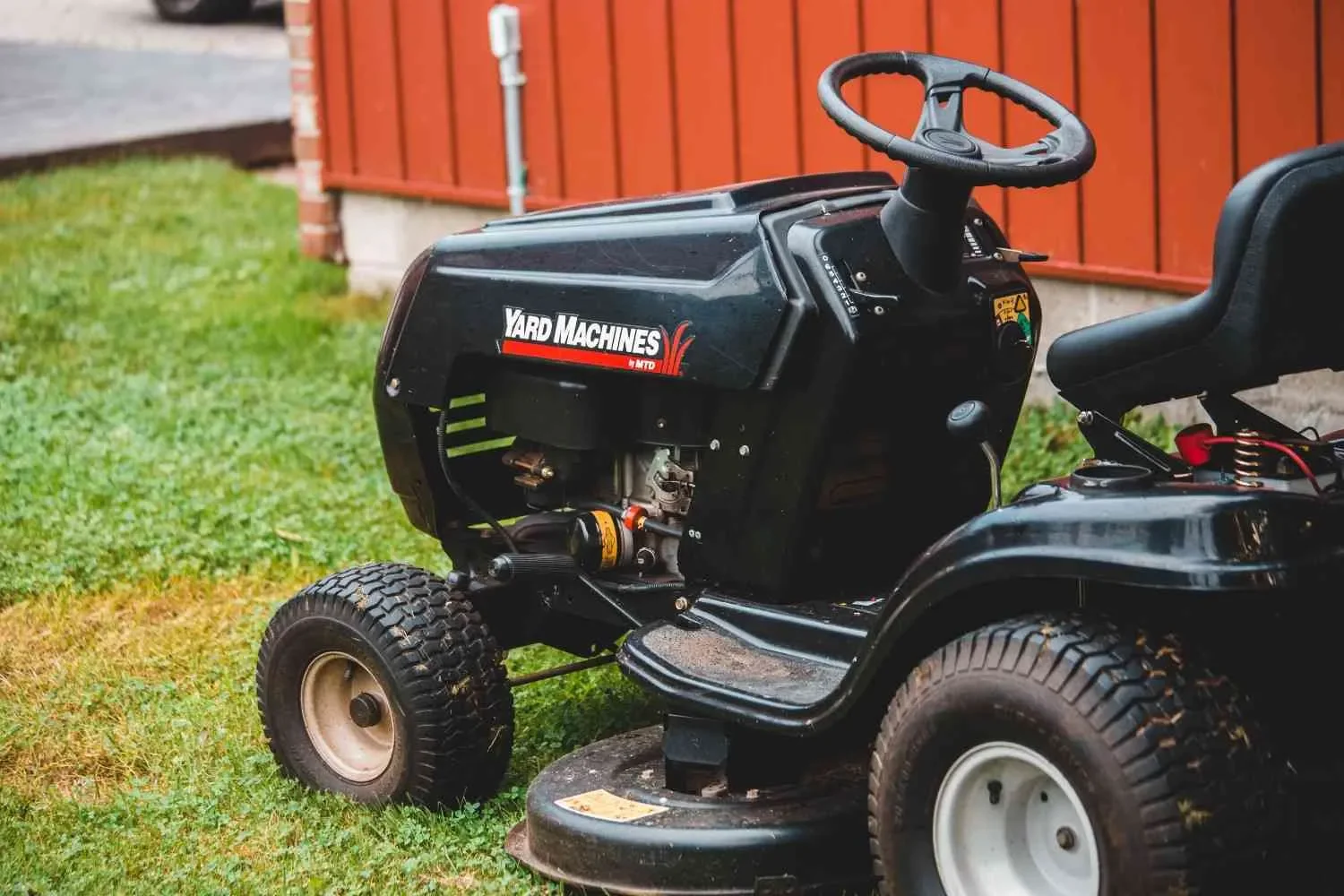
Landscaping and lawn care work in an outdoor space
Industry focus / Landscaping & Lawn CareReal services.
A clearer route to contact.

01 / Business & service research

Understanding the landscaping & lawn care business.

Start with your service mix, capacity, operating areas and intake process. Then map how customers research and choose the work you actually offer.

How homeowners choose lawn care and landscaping help

  1. 01
    Search

    Care or outdoor project

  2. 02
    Maps

    Check local coverage

  3. 03
    Service page

    Explore scope and work

  4. 04
    Trust

    Review actual project proof

  5. 05
    Call / Quote

    Ask for a quote / site visit

  6. 06
    Booked job

    Agree the work and schedule

The customer’s question

Separate recurring care from planned projects

A homeowner looking for weekly mowing may want coverage, frequency and a simple way to ask about availability. Someone planning a garden redesign needs more context: the type of project you handle, your process and examples of comparable work. Combining both journeys into one vague landscaping message makes it harder to evaluate either offer.

The commercial priority

Priorities grounded in your operation.

I start with your actual service mix and commercial priorities. Maintenance routes, one-off cleanups and design or installation projects can require different pages and enquiry paths. Seasonal work also needs clear availability information rather than a claim that every service is always offered. The strategy should support the jobs your crew can deliver in the areas it can reach efficiently.


02 / Evidence before priorities

Research & search audit.

I compare local competitors, audit GBP and Maps, and review the website against real services and search intent. Each finding becomes an action with a clear reason and priority.

Landscaping & Lawn Care industry work illustration
Industry illustration / Research starts with the actual work.

From research to an agreed plan

Establish what matters before changing the site.

  1. Business and competitor research

    Confirm priority services with you, compare Maps and organic competitors across representative areas, and record the page types and service detail customers encounter.

  2. GBP and website audit

    Check categories, service information and landing links alongside crawlability, indexability, titles, headings, internal links and mobile contact routes.

  3. GSC and GA4 baseline

    With access, review Google Search Console queries and pages alongside GA4 landing pages and configured enquiry events. Validate tracking before using it to decide priorities.

01

Project and service connections

Strong photographs need context. Explain which service each project demonstrates and give the visitor a relevant next step.

02

Maintenance and design intent

Weekly lawn care and a landscape installation need different information. Separate recurring scope from a project assessment journey.

03

Coverage and route efficiency

A long list of towns can attract unsuitable enquiries. Describe genuine coverage with the kinds of jobs your crew can accept.

04

Seasonal content continuity

Outdated offers and disconnected pages can send visitors towards unavailable work. Keep useful core URLs and maintain current service information.

05

Quote paths by job type

A mowing request should not require a full design brief. Planned projects may benefit from an optional description or photographs.

06

Recurring and project enquiry analysis

Recurring customers and one-off installations have different business value. Review requested service and qualification outcomes separately.

Inside the website and search review

A common landscaping website problem is an attractive portfolio with little explanation of the services behind it. Another is a long service list that does not distinguish routine maintenance from larger projects. Search visitors may reach the site without knowing which page to read or whether a job like theirs is suitable. The audit checks those routes directly.

I also review image weight, mobile readability, internal links and existing search pages. Large unoptimized galleries can make the first visit unnecessarily slow, while old seasonal pages can send people towards unavailable work. Recommendations preserve strong photographs and useful URLs, then improve how they connect to service descriptions and enquiry options. A redesign is considered only where the existing structure creates a real limitation.

03 / Connect the work

How I connect landscaping searches with the work you want

From the business you run to the pages people find. Each step has a practical purpose and an agreed scope.

  1. Business & competitor analysis

    Service mix, seasonality and local demand

    • Identify maintenance routes and project priorities
    • Compare local providers and relevant searches
    • Confirm capacity and actual operating areas
  2. Google Business Profile

    A profile that reflects the operation

    • Distinguish maintenance from design-led work
    • Review categories, hours and service details
    • Connect original work photos with real services
    Inside this part of the work

    The profile and website should agree on the business name, contact details and genuine service offering. I review categories, service information, hours and the website destination in the context of the operation. A maintenance-focused business and a design-led landscaper should not be described interchangeably simply because some searches overlap.

    Actual work photos and honest customer reviews help explain what the team does. Geographic review should reflect route coverage and the kinds of jobs sought in each area. Adding a place to a service-area setting does not establish a local office or guarantee visibility there. The useful output is an accurate presence and a set of evidenced website and profile improvements, not an inflated coverage claim.

  3. Website & on-page SEO

    A website that makes the work legible

    • Check gallery weight and mobile reading
    • Connect portfolios with service destinations
    • Tailor forms for maintenance and planned work
    Inside this part of the work

    A maintenance enquiry and a landscape design enquiry may need different starting information. Location, the service sought and a contact preference can begin either journey. A planned project might also benefit from an optional description or photographs. The form should ask only for details the team can use, with clear labels and a practical mobile experience.

    I review whether visitors understand the next step: a call, a site visit or a preliminary discussion. Estimated scheduling information should be published only when the business can keep it current. A quote request is not a confirmed project. Clear confirmation text and a reliable handoff give the owner a better chance to respond with relevant questions and assess whether the opportunity is a fit.

  4. Content & service architecture

    Architecture around different job types

    • Map lawn care, design and offered installations
    • Use original project context in service briefs
    • Connect seasonal questions to durable pages
    Inside this part of the work

    Lawn mowing, garden maintenance, planting and landscape installation may each deserve a distinct role when they represent real services. Closely related tasks can sometimes sit within one stronger page. The decision depends on scope, customer intent and the original information available, not the length of a keyword list. I map those relationships before recommending new URLs.

    For a project service, the page can explain stages from initial discussion through site assessment, proposal and scheduling. For recurring care, it can explain the work covered, frequency options and how to request a quote. Genuine project photographs belong beside the service they demonstrate, with accurate captions and owner-approved context. A gallery should help a customer evaluate fit rather than substitute for useful service information.

  5. Authority & off-page signals

    Local credibility with useful context

    • Review legitimate supplier or community mentions
    • Keep business listings accurate
    • Request genuine customer feedback on actual work

    Relevant opportunities are scoped individually; large-scale backlink building is not automatically included.

  6. Measurement & growth decisions

    Growth decisions that respect capacity

    • Use Search Console and page-level analytics
    • Review quote sources and requested job types
    • Separate recurring work from installation enquiries

    Compare GSC query and page changes with GA4 landing-page and enquiry events, where configured. Use qualification feedback and seasonal context to decide whether to refine content, improve conversion or expand local coverage next.

    Inside this part of the work

    The first work cycle prioritizes services with real business value and enough supporting information. That can mean improving a maintenance page before building a large editorial library, or organizing an existing project gallery around a smaller number of commercial destinations. I agree priorities with the owner and identify which photographs, process details and availability information the business needs to supply.

    Measurement connects search visibility with the quality of quote requests where that data is available. Recurring customers and one-off installations should not be combined into an unexplained lead total. Review the source page, requested service and qualification outcome before deciding what to expand. This supports a practical publishing and optimization plan that reflects seasonal demand and crew capacity.

A practical architecture example

One business. Distinct service decisions.

These are examples, not an assumption that every company offers every service. Separate pages need real scope and a distinct customer purpose.

See the service-page decision framework
Landscaping & Lawn Care service hub
Lawn CareLandscape MaintenanceLandscape DesignSod InstallationHardscaping
Supported by useful guides, real service areas and descriptive internal links.

04 / Choose the right scope

Areas & channels we improve.

A focused scope can address the immediate gap. These are areas to assess together, not a promise that every item is included in every engagement.

GSC, GA4 & enquiry tracking

Review query and landing-page performance, validate GA4 events and compare call/form activity with qualified enquiries where records exist.

Reviews & business consistency

Honest feedback processes and accurate public business details.

Website implementation

WordPress changes can support the agreed content and enquiry paths.

Previous work, in context

Inspect original Local SEO evidence from different local-service markets. Historical projects are not presented as landscaping & lawn care client results.

View the project evidence

A focused conversation. A clearer direction.

Let?s plan the next step for your landscaping lawn care business.

Bring your website, profile and priority landscaping & lawn care services. We’ll identify where clearer visibility, content or contact paths could help.

Discuss Your Project

Open original image in a new tab ↗