For Pest Control businesses

Local SEO & Search Growth for Pest Control Companies

Be found when a pest problem becomes a priority.

Pest control searches start with uncertainty: what is causing the problem, whether help is available nearby and what happens after a call. I connect local visibility with pest-specific pages and a clear inspection or service request, built around the work your business actually provides.

  • Pest-specific pages
  • Local service relevance
  • Clear inspection requests
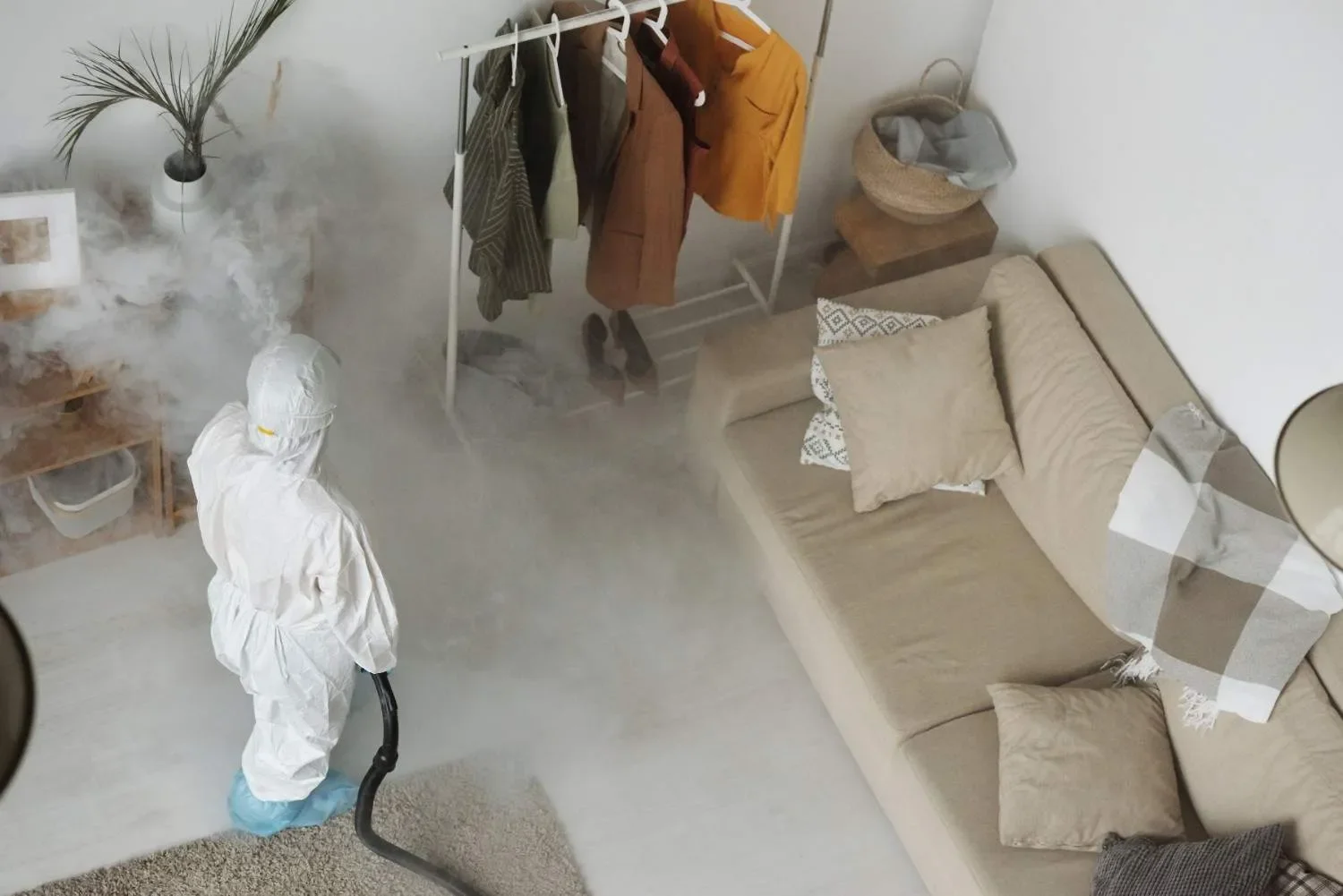
Pest control professional at work
Industry focus / Pest ControlReal services.
A clearer route to contact.

01 / Business & service research

Understanding the pest control business.

Start with your service mix, capacity, operating areas and intake process. Then map how customers research and choose the work you actually offer.

How homeowners find pest control companies

  1. 01
    Search

    Pest + local area

  2. 02
    Maps

    Compare nearby providers

  3. 03
    Service page

    Find the right pest service

  4. 04
    Trust

    Check genuine reviews

  5. 05
    Call / Quote

    Request an inspection

  6. 06
    Booked job

    Confirm the service visit

The customer’s question

Understand the problem behind the search

A homeowner may search for an insect name, a sign they have noticed or a broad pest control service. Those searches do not all need the same page. A person comparing recurring protection plans has different questions from someone seeking help with an immediate infestation. The first task is to separate urgent service demand, inspection requests and research that supports a later decision.

The commercial priority

Priorities grounded in your operation.

I review your actual pest coverage, property types and operating area before selecting priorities. Residential and commercial enquiries may need different information and intake questions. A useful search plan also reflects which jobs your team wants, which enquiries it cannot serve and how seasonal demand affects availability. That operational context keeps the strategy focused on work you can accept.

02 / Evidence before priorities

Research & search audit.

I compare local competitors, audit GBP and Maps, and review the website against real services and search intent. Each finding becomes an action with a clear reason and priority.

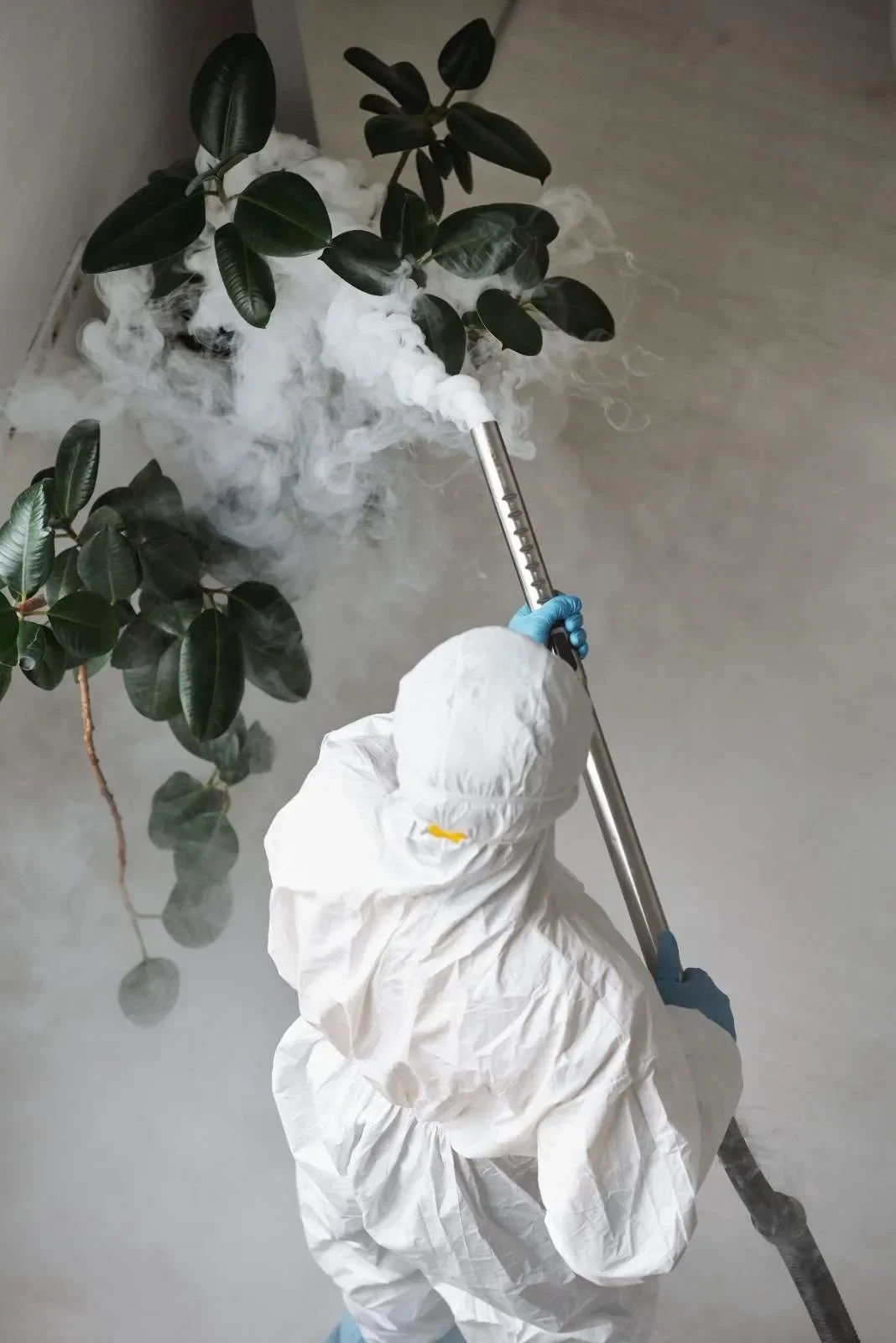
Pest Control industry work illustration
Industry illustration / Research starts with the actual work.

From research to an agreed plan

Establish what matters before changing the site.

  1. Business and competitor research

    Confirm priority services with you, compare Maps and organic competitors across representative areas, and record the page types and service detail customers encounter.

  2. GBP and website audit

    Check categories, service information and landing links alongside crawlability, indexability, titles, headings, internal links and mobile contact routes.

  3. GSC and GA4 baseline

    With access, review Google Search Console queries and pages alongside GA4 landing pages and configured enquiry events. Validate tracking before using it to decide priorities.

01

Priority pest coverage in Maps

The profile emphasizes general pest control while the website prioritizes termites or rodents. Review the genuine offering across both destinations.

02

Distinct pest-service detail

A changed pest name adds little value. Explain the distinct inspection process, property considerations and questions for each offered service.

03

Service-area relevance

Repeated location copy leaves coverage unclear. Connect genuine operating areas with service availability and a useful contact destination.

04

Reviews and website alignment

Strong feedback helps evaluation, but does not explain missing pest coverage or an unclear website. Inspect those gaps alongside genuine review activity.

05

Inspection-request usability

A long technical form can stop a homeowner before the conversation begins. Ask for the concern, location and a practical contact method.

06

Enquiry and job measurement

Separate profile interactions, inspection requests and confirmed work. Use the team’s qualification records when assessing enquiry quality.

Inside the website and search review

A common issue is a mismatch between the pests emphasized on the website and the services represented in the profile. Another is a collection of town pages with no meaningful local information. Neither is resolved by repeating a city and pest name more frequently. I examine search results, existing page performance and the visitor path to locate the actual gap.

The review distinguishes a page that cannot be indexed from one that lacks useful service detail or competes for the same purpose as another URL. It also checks whether valuable enquiries arrive on an old page with a weak contact route. Recommendations identify the observation, its commercial relevance and the proposed action so the team can understand why a change is worth making.

03 / Connect the work

How I build a search growth system for pest control companies

From the business you run to the pages people find. Each step has a practical purpose and an agreed scope.

  1. Business & competitor analysis

    Priority pests and local competition

    • Confirm residential and commercial scope
    • Compare searches across real operating areas
    • Review seasonal demand and existing enquiries
  2. Google Business Profile

    A profile aligned with the offering

    • Review categories, hours and pest services
    • Check photos, genuine reviews and contact links
    • Connect Maps to relevant pest pages
    Inside this part of the work

    For a pest control operator, the Google Business Profile should reflect the real business model, contact details, hours and service offering. Service areas must describe where the team works; they are not a claim that visibility will be equal across that area. I compare the profile with the website and representative searches to identify inconsistencies and priorities.

    Original photos and genuine customer feedback can help someone evaluate the business. Any credentials, guarantees or service descriptions need owner verification before publication. A profile visitor should reach a useful website destination and a working contact option. The review includes mobile calls and website links, because discovery loses value when the route from the profile to the team is confusing.

  3. Website & on-page SEO

    A clearer inspection journey

    • Review indexability, titles and page hierarchy
    • Test mobile calls and inspection forms
    • Explain receipt, response and visit confirmation
    Inside this part of the work

    A first contact should help the team understand the concern without making the visitor complete a lengthy technical questionnaire. Property location, the type of issue and a preferred contact method can provide a practical starting point. Photo uploads may be useful when the existing workflow supports them, but they should not prevent someone from asking for help.

    I review the distinction between requesting an inspection and confirming a visit. The page should explain the response process and avoid promising immediate availability unless the business can deliver it. Where recurring plans are offered, show how the initial visit relates to ongoing service and what the customer should ask. Clear scope helps both the homeowner and the person handling incoming calls.

  4. Content & service architecture

    Pest pages with a distinct purpose

    • Map termite, rodent and other genuine services
    • Connect preparation guides with service pages
    • Avoid duplicated pest and town combinations
    Inside this part of the work

    One general pest control page often struggles to explain the scope of rodent, termite, cockroach and bed bug services clearly. Separate pages can be appropriate when the business provides those services and each requires a different evaluation. A dedicated page should explain the inspection process, property considerations, service boundaries and what information helps the team respond. It should not recycle the same paragraphs under a new pest name.

    Supporting guides can answer common identification or preparation questions using business-approved information. They should direct visitors to the relevant service without diagnosing a problem from a photograph or promising an outcome. I map related searches to pages or sections, review overlap and connect the resulting structure through useful internal links. Unavailable services stay outside the architecture.

  5. Authority & off-page signals

    Evidence beyond the website

    • Correct relevant business listing details
    • Review genuine local mentions and affiliations
    • Use honest feedback, without invented guarantees

    Relevant opportunities are scoped individually; large-scale backlink building is not automatically included.

  6. Measurement & growth decisions

    Decisions based on suitable work

    • Review Search Console queries and landing pages
    • Use analytics and call/form data where available
    • Separate inspection requests from completed jobs

    Compare GSC query and page changes with GA4 landing-page and enquiry events, where configured. Use qualification feedback and seasonal context to decide whether to refine content, improve conversion or expand local coverage next.

    Inside this part of the work

    Start with the highest-priority pest services and a small set of representative areas. I review profile information, existing landing pages, search evidence and the enquiry path together. The resulting plan can combine profile corrections, stronger service briefs, technical fixes and a more direct contact flow. It does not require a full website replacement before useful work can begin.

    After implementation, check indexability, navigation and form or call behavior. Review available search data alongside enquiries qualified by the team. A click, inspection request and completed job remain separate stages. This makes it possible to ask whether visibility is attracting the right work, rather than treating every interaction as a successful booking.

A practical architecture example

One business. Distinct service decisions.

These are examples, not an assumption that every company offers every service. Separate pages need real scope and a distinct customer purpose.

See the service-page decision framework
Pest Control service hub
General Pest ControlTermite ControlRodent ControlAnt ControlBed Bug Services
Supported by useful guides, real service areas and descriptive internal links.

04 / Choose the right scope

Areas & channels we improve.

A focused scope can address the immediate gap. These are areas to assess together, not a promise that every item is included in every engagement.

GSC, GA4 & enquiry tracking

Review query and landing-page performance, validate GA4 events and compare call/form activity with qualified enquiries where records exist.

Reviews & business consistency

Honest feedback processes and accurate public business details.

Website implementation

WordPress changes can support the agreed content and enquiry paths.

Previous work, in context

Inspect original Local SEO evidence from different local-service markets. Historical projects are not presented as pest control client results.

View the project evidence

A focused conversation. A clearer direction.

Let?s plan the next step for your pest control business.

Bring your website, profile and priority pest control services. We’ll identify where clearer visibility, content or contact paths could help.

Discuss Your Project

Open original image in a new tab ↗