For Plumbing businesses

Local SEO & Search Growth for Plumbing Companies

Make the route from plumbing search to a useful call clearer.

A sudden leak and a planned fixture installation create very different searches. I help plumbing businesses connect accurate local visibility with specific service information and fast, understandable contact paths, while keeping availability and service claims grounded in the real operation.

  • Repair and installation
  • Accurate availability
  • Mobile call paths
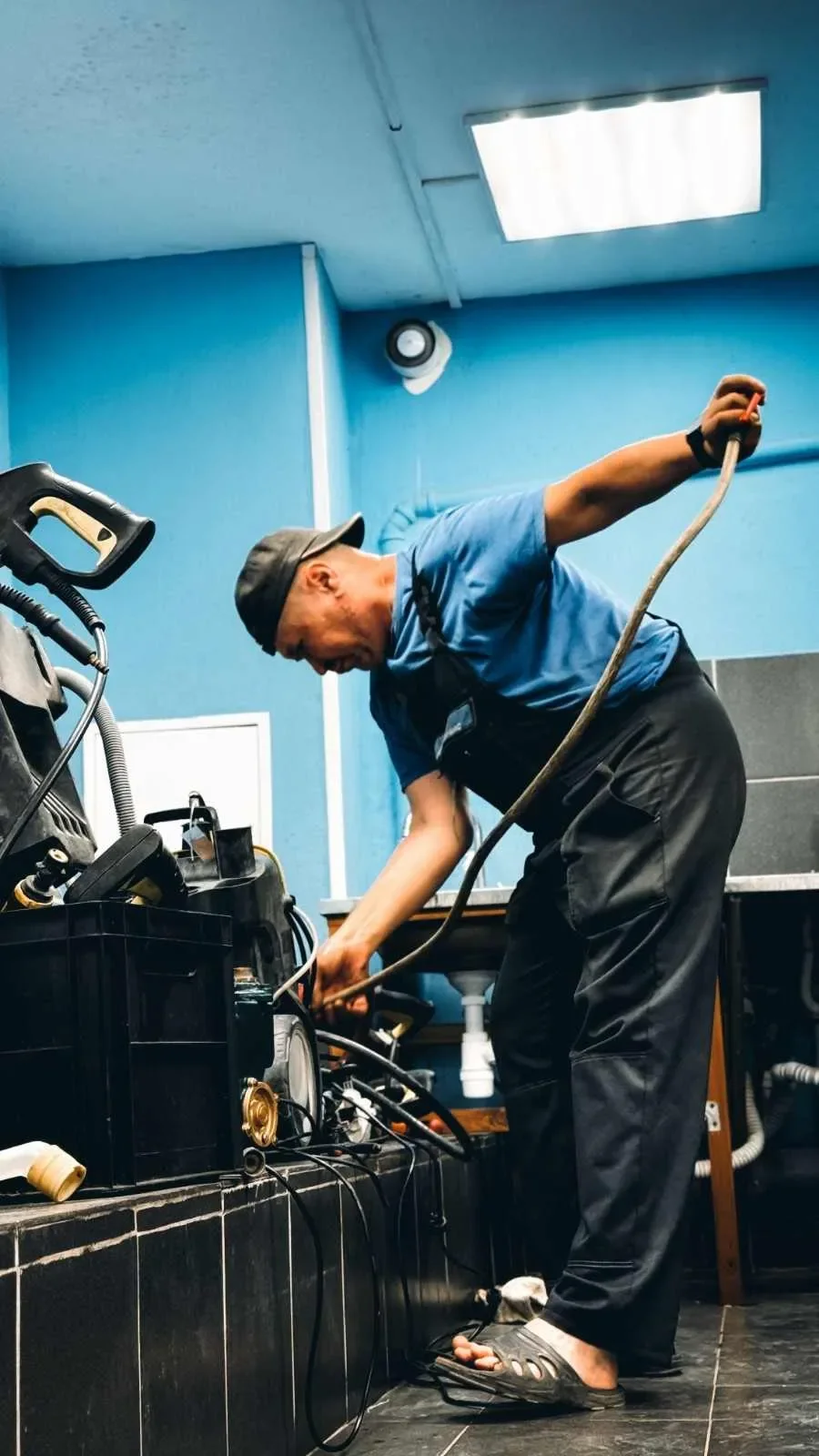
Plumbing professional working on pipework
Industry focus / PlumbingReal services.
A clearer route to contact.

01 / Business & service research

Understanding the plumbing business.

Start with your service mix, capacity, operating areas and intake process. Then map how customers research and choose the work you actually offer.

How plumbing searches turn into service calls

  1. 01
    Search

    Repair or installation need

  2. 02
    Maps

    Check coverage and hours

  3. 03
    Service page

    Read the specific service

  4. 04
    Trust

    Verify the business and scope

  5. 05
    Call / Quote

    Call or request an assessment

  6. 06
    Booked job

    Confirm a visit with the team

The customer’s question

Recognize urgency without assuming every job is urgent

Some plumbing visitors need immediate help and want to know whether you serve their area and can respond. Others are comparing installation, replacement or planned maintenance services. A homepage that presents every enquiry as an emergency can obscure profitable scheduled work, while a slow research-heavy page can frustrate someone trying to call.

The commercial priority

Priorities grounded in your operation.

The strategy begins with the actual offering, operating hours and intake process. Emergency language belongs only where the business genuinely provides that service. I separate urgent and planned journeys, then review the results and landing pages associated with each. This creates a useful basis for deciding which pages need a direct contact emphasis and which need more information before a quote request.

02 / Evidence before priorities

Research & search audit.

I compare local competitors, audit GBP and Maps, and review the website against real services and search intent. Each finding becomes an action with a clear reason and priority.

Plumbing industry work illustration
Industry illustration / Research starts with the actual work.

From research to an agreed plan

Establish what matters before changing the site.

  1. Business and competitor research

    Confirm priority services with you, compare Maps and organic competitors across representative areas, and record the page types and service detail customers encounter.

  2. GBP and website audit

    Check categories, service information and landing links alongside crawlability, indexability, titles, headings, internal links and mobile contact routes.

  3. GSC and GA4 baseline

    With access, review Google Search Console queries and pages alongside GA4 landing pages and configured enquiry events. Validate tracking before using it to decide priorities.

01

Operating hours and availability

The website and profile should reflect actual operating hours. An urgent label cannot substitute for a team able to respond.

02

Repair and installation coverage

Drain cleaning and water heater work answer different questions. Give each genuine service the detail needed to assess fit.

03

Location-page purpose

Repeated city copy can obscure the useful destination. Review overlap and explain real service-area coverage.

04

Mobile call-path testing

Small phone links or confusing navigation add effort during an urgent search. Test the path from service page to contact.

05

Planned-work enquiry routes

Installation enquiries may need a quote or assessment. A single urgent-call message can hide the process for scheduled work.

06

Call and booking measurement

A tap does not prove a call connected or a job was booked. Keep tracking stages distinct and use operational data when available.

Inside the website and search review

Typical problems include generic pages that barely explain the requested service, competing location pages and contact options that are difficult to use on a phone. A technically indexable page can still leave someone uncertain about coverage or availability. I review both search foundations and the decisions a visitor needs to make before calling.

The audit also considers old URLs, duplicated service descriptions and profile destinations that no longer match the current website. A business does not always need more content; it may need a clearer service hierarchy and working internal links. Each recommendation should explain the issue and how it affects discovery or the enquiry journey, with changes prioritized around important services rather than arbitrary page counts.

03 / Connect the work

How I build a search growth system for plumbing companies

From the business you run to the pages people find. Each step has a practical purpose and an agreed scope.

  1. Business & competitor analysis

    Urgent and planned demand

    • Confirm services, hours and intake responsibilities
    • Compare repair and installation search results
    • Review priority areas and existing call sources
  2. Google Business Profile

    Accurate Maps information

    • Review categories, phone details and service scope
    • Match availability claims to actual hours
    • Check the profile’s website and contact links
    Inside this part of the work

    Google Business Profile information should accurately describe the plumbing business and the services it offers. I review categories, phone details, hours, service coverage and website links alongside the main service pages. If emergency support is offered only at certain times, the public information should not suggest unrestricted availability.

    Local visibility varies with the search and location, so a single search from the owner’s phone is not a complete diagnosis. Representative geographic checks can help frame a useful investigation. Review activity, actual work images and website clarity form part of a broader local presence. None should be used to invent branches, imply guaranteed response times or claim equal Maps coverage in every nearby town.

  3. Website & on-page SEO

    A usable route to the team

    • Check indexability, headings and old destinations
    • Make mobile phone links easy to use
    • Distinguish a quote request from a confirmed visit
    Inside this part of the work

    For urgent enquiries, a clearly labelled phone link should be easy to find and use on mobile. It should sit alongside genuine service-area and availability information. For planned work, a quote request may be a better fit. I review those routes separately so a visitor understands which option to choose and what will happen next.

    Forms should ask for enough detail to route the enquiry without demanding technical knowledge from the homeowner. Location, service type and a preferred contact method can begin the conversation. A submission confirmation should explain receipt and response expectations, not imply that an appointment is already scheduled. The team’s ability to respond is part of the overall conversion process and should inform website wording.

  4. Content & service architecture

    Repair and installation architecture

    • Map drains, leaks and genuine installation work
    • Group phrases that describe the same task
    • Link service pages to useful local context
    Inside this part of the work

    Drain clearing, leak repair, water heater services and fixture installation can involve different customer questions. Each candidate page needs a defined scope and enough original detail to justify a destination. Where phrases describe the same task, one complete page can be clearer than several near-duplicates. The final architecture follows your real work and the search evidence.

    A service page can explain what the team handles, what is outside scope, the areas served and how the visit is arranged. Planned installation pages may explain the enquiry and assessment process, using details approved by the business. Content should help a homeowner prepare a useful request without turning the marketing website into a source of hazardous do-it-yourself repair instructions.

  5. Authority & off-page signals

    Trust that can be substantiated

    • Review relevant listings and local mentions
    • Publish only verified business credentials
    • Support a genuine review request and response process

    Relevant opportunities are scoped individually; large-scale backlink building is not automatically included.

  6. Measurement & growth decisions

    Measure beyond the phone-link click

    • Review queries and pages in Search Console
    • Use connected-call and form data when available
    • Compare qualified enquiries with confirmed jobs

    Compare GSC query and page changes with GA4 landing-page and enquiry events, where configured. Use qualification feedback and seasonal context to decide whether to refine content, improve conversion or expand local coverage next.

    Inside this part of the work

    A practical first scope may combine profile corrections, improvements to priority repair pages and mobile call-path checks. Where tracking is available, the reporting plan distinguishes website visits, phone-link clicks, connected calls, qualified enquiries and confirmed jobs. Those are related stages, but they are not interchangeable evidence of commercial success.

    I review implementation with the owner or existing team and check that changes work across devices. Search data can guide the next content priorities, while the business’s enquiry records can show whether the site is attracting suitable work. If operational data is unavailable, the report should state that limit rather than extrapolate job numbers from visibility or clicks.

A practical architecture example

One business. Distinct service decisions.

These are examples, not an assumption that every company offers every service. Separate pages need real scope and a distinct customer purpose.

See the service-page decision framework
Plumbing service hub
Emergency PlumbingDrain CleaningWater Heater ServicesLeak RepairSewer Services
Supported by useful guides, real service areas and descriptive internal links.

04 / Choose the right scope

Areas & channels we improve.

A focused scope can address the immediate gap. These are areas to assess together, not a promise that every item is included in every engagement.

GSC, GA4 & enquiry tracking

Review query and landing-page performance, validate GA4 events and compare call/form activity with qualified enquiries where records exist.

Reviews & business consistency

Honest feedback processes and accurate public business details.

Website implementation

WordPress changes can support the agreed content and enquiry paths.

Previous work, in context

Inspect original Local SEO evidence from different local-service markets. Historical projects are not presented as plumbing client results.

View the project evidence

A focused conversation. A clearer direction.

Let?s plan the next step for your plumbing business.

Bring your website, profile and priority plumbing services. We’ll identify where clearer visibility, content or contact paths could help.

Discuss Your Project

Open original image in a new tab ↗